Material Preparation
Define powders, fibers, additives, water, storage, dosing and feeding requirements.
ENGINEERING / DISCOVER / BOARD PRODUCTION DIAGNOSIS
We confirm what you need to produce, the available factory area, target capacity, board dimensions and thickness, locally available raw materials, formulation status and project conditions before equipment planning begins.
Fireproof board · Fiber cement board · Calcium silicate board · Magnesium oxide board · Cement-based panels
THE CORRECT LINE BEGINS WITH VERIFIED CUSTOMER INPUTS
Building-board projects depend on board type, raw-material availability, formulation maturity, thickness, dimensions, target capacity, factory area and utilities. Discovery reviews these inputs together and records any information gaps.
DISCOVER STAGE BOUNDARYThis stage establishes the production requirement. Detailed equipment configuration, line layout and foundation planning follow in Define and Engineer.
PRELIMINARY PRODUCTION-SCOPE REVIEW
Discovery identifies the likely production stages and project boundary. The final route is confirmed only after raw materials, formulation, capacity and factory conditions are reviewed.
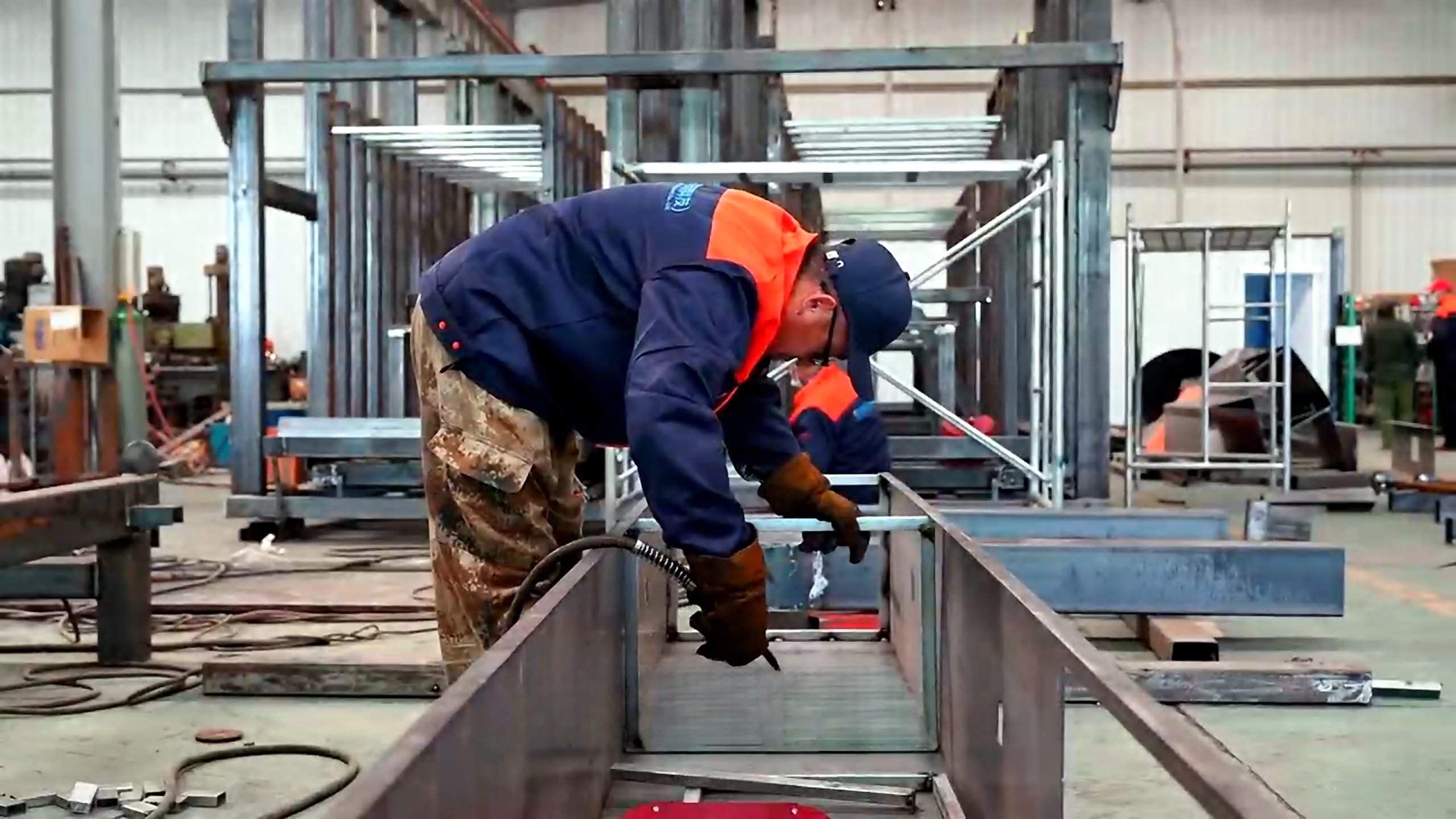
Define powders, fibers, additives, water, storage, dosing and feeding requirements.
Match formulation control and forming technology to the target board structure.
Confirm setting time, curing method, handling sequence and production buffers.
Plan safe separation, transfer, stacking and surface protection with less manual work.
Set thickness, dimensions and surface requirements for stable finished-board quality.
Include sanding, cutting, grooving, edge processing or lamination when required.
HOW WE DIAGNOSE THE PROJECT
Each review converts customer information into decisions the Define and Engineer stages can use.
Confirm board application, dimensions, thickness, performance requirement and required finished quality.
Connect locally available raw materials and existing formulation evidence with the intended board.
Compare the target output with shifts, available space, utilities, labor and project conditions.
List missing drawings, samples, material tests, formulation questions and decisions required for Define.
DISCOVER STAGE OUTPUTS
Discovery gives both teams a shared record of confirmed inputs, missing information and the decisions required before line planning and quotation.
Continue to Define →A structured summary of the factory, capacity, board specification and project conditions provided.
Confirmed target board, local raw materials, existing recipe status, samples and available trial evidence.
Target output, working shifts, available floor area, utilities and initial site constraints.
Missing drawings, material data, assumptions, tests and technical questions requiring resolution.
The confirmed inputs and open actions needed to set the process basis, scope, automation and acceptance requirements.
TYPICAL DISCOVERY QUESTIONS
You do not need every answer on day one. These questions define the path for an efficient engineering discussion.
Identify the board material, intended application and required fire or performance classification.
List material names, sources, expected quality range and any existing supplier data.
Share the existing recipe, laboratory results, board samples or trial-production records when available.
Include standard formats, product mix, tolerance, density and surface-quality expectations.
State shift, daily or annual output together with planned operating hours and shifts.
Provide length, width, clear height, column positions, access routes and a floor plan if available.
Describe staffing targets, material handling preferences, utilities and control requirements.
Identify the destination, applicable standards, product tests and proposed acceptance basis.
START THE DISCOVER STAGE
Send your factory area or floor plan, target capacity, board type, thickness and dimensions, locally available raw materials, formulation status, utilities and destination market. We will record what is confirmed and identify the next technical actions.