
Fiber cement board
Evaluate material preparation, forming, support, conditioning, cutting and finishing against the required board specification.
Route page status: in preparation
Material route / project definition
“Cement board” can describe different products and manufacturing routes. Identify the board, material system, output basis and factory conditions before comparing equipment.
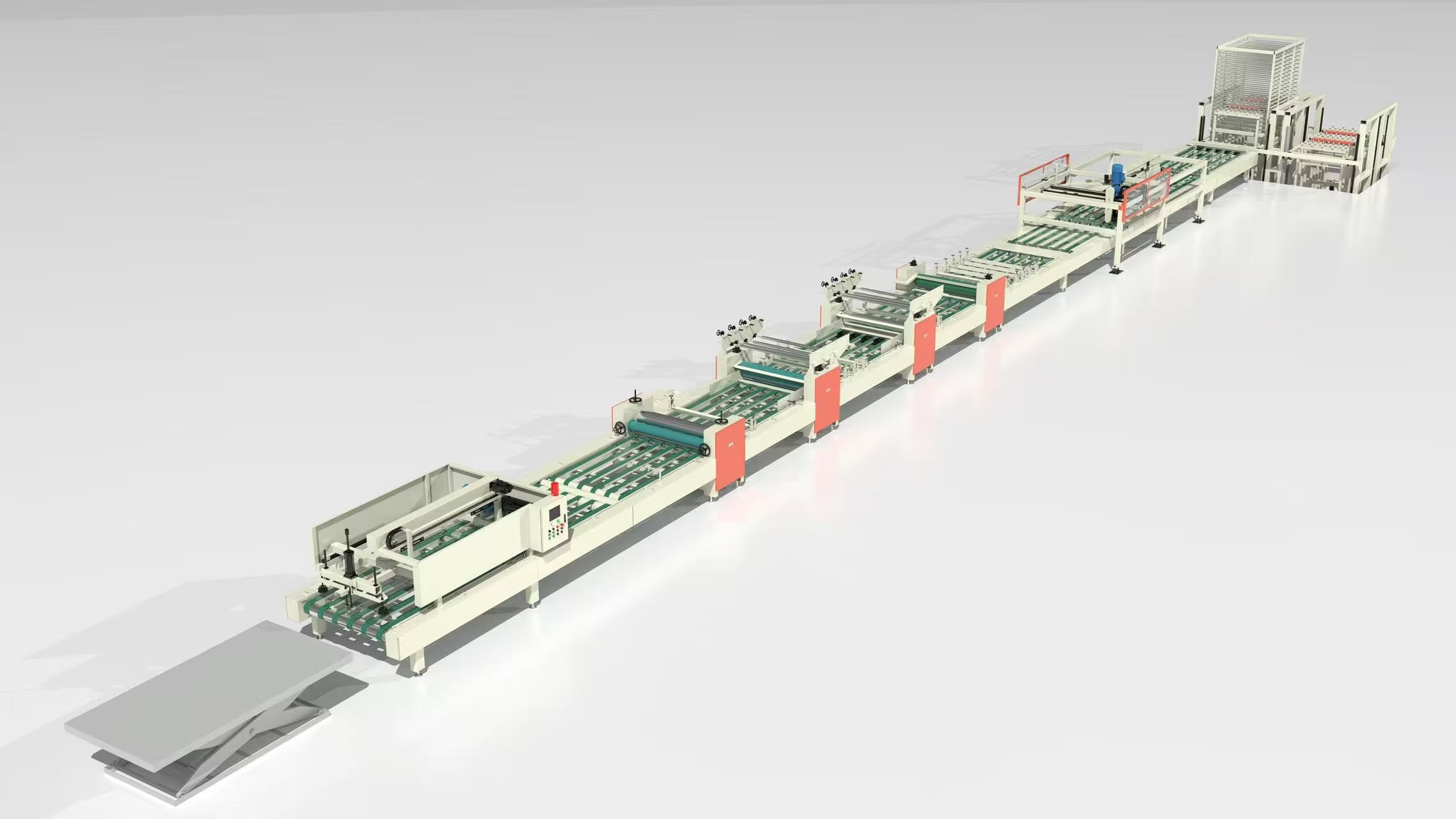
From board requirement to line concept
Choose the material direction
Route pages are being prepared. These cards are intentionally informational and are not live links yet. The final configuration depends on the confirmed formulation and board requirements.
Evaluate material preparation, forming, support, conditioning, cutting and finishing against the required board specification.
Define the material system, board range, process boundaries, conditioning needs and finishing scope; separate confirmed data from assumptions.
Specify board construction, application and test criteria. Keep finished-product verification distinct from equipment acceptance.
Map the complete manufacturing chain
Review process functions as one route. The confirmed sequence and scope depend on the selected board and material system.
Storage, material preparation and defined supply boundaries.
Dosing, process sequence, consistency and transfer to forming.
Board formation, thickness setting and early support.
Handling, curing or conditioning requirements and buffers.
Finished dimensions, surface, edge, inspection and reject handling.
Product handling, packaging, storage and logistics.
Explore building board production machinery by process function, while evaluating interfaces and line balance as a complete system.
Comparable project basis
A useful capacity target refers to a reference board and an operating plan—not just a headline number.
Board type, dimensions, thickness range, surface and intended use.
Selected or candidate formulation, available raw materials and open assumptions.
Shifts, hours, product mix, changeovers and saleable-output definition.
Required stages, auxiliaries, controls and owner-supplied items.
Dimensioned layout, utilities, logistics, access and maintenance space.
Inspection, documentation, equipment checks and product-testing responsibilities.
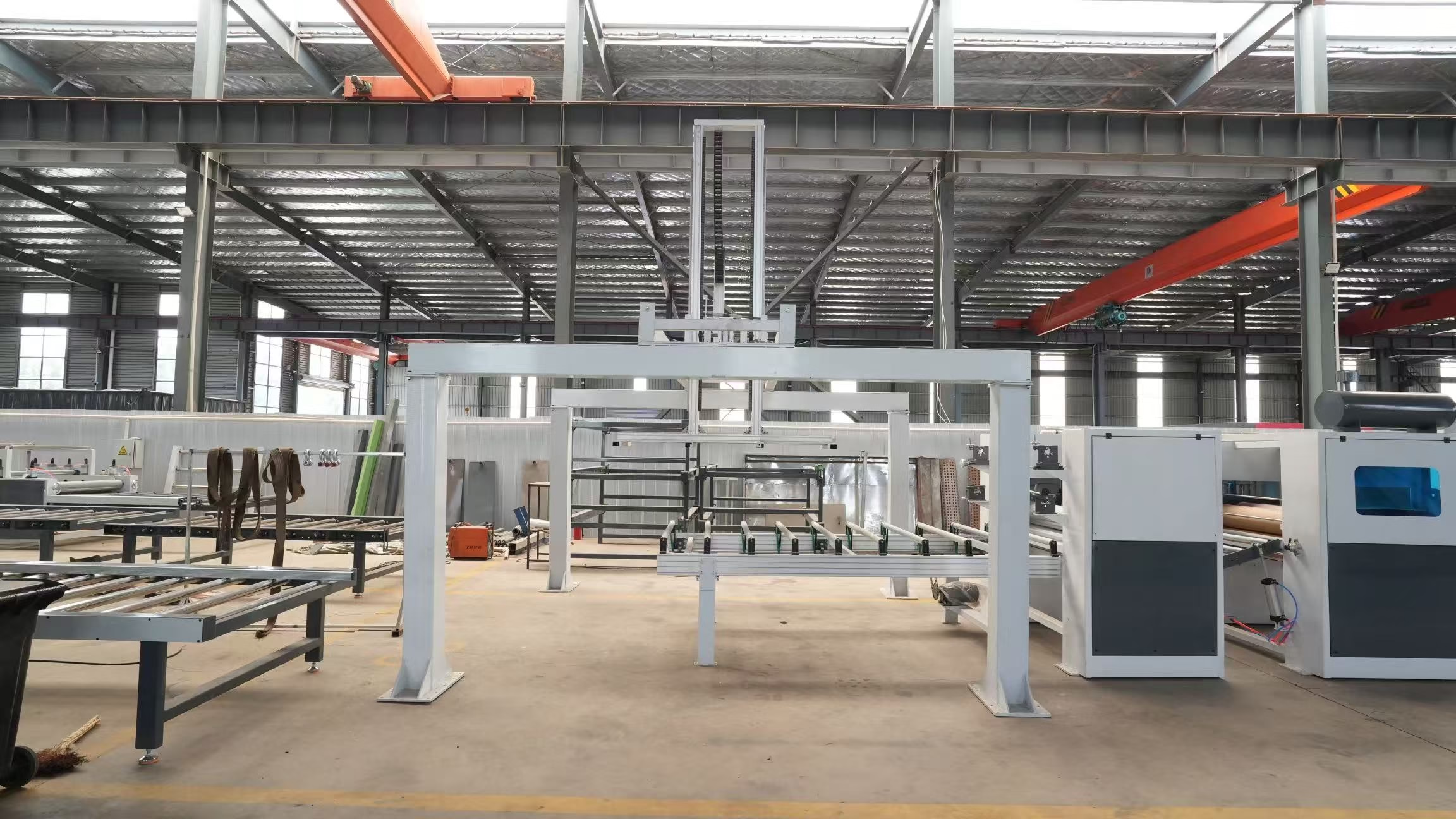
Layout and scope together
Building dimensions, columns, clear height, floor conditions, doors, utilities, storage and material movement can all change line orientation and transfer methods.
No. Board composition, forming method, conditioning, finishing and product requirements can lead to different process routes and equipment scopes.
An initial concept may be discussed, but formulation-dependent assumptions should remain visible. Final configuration follows confirmation of the material route and board requirements.
Compare product basis, output definition, scope, exclusions, interfaces, utilities, documentation and acceptance conditions—not only price or nominal capacity.
Start with board application and specification, then define material route, process stages, output basis and factory conditions.
Start with your board requirement
Share your board type, candidate material route, target output and factory drawing. Mark provisional inputs clearly so the next discussion can resolve them.